

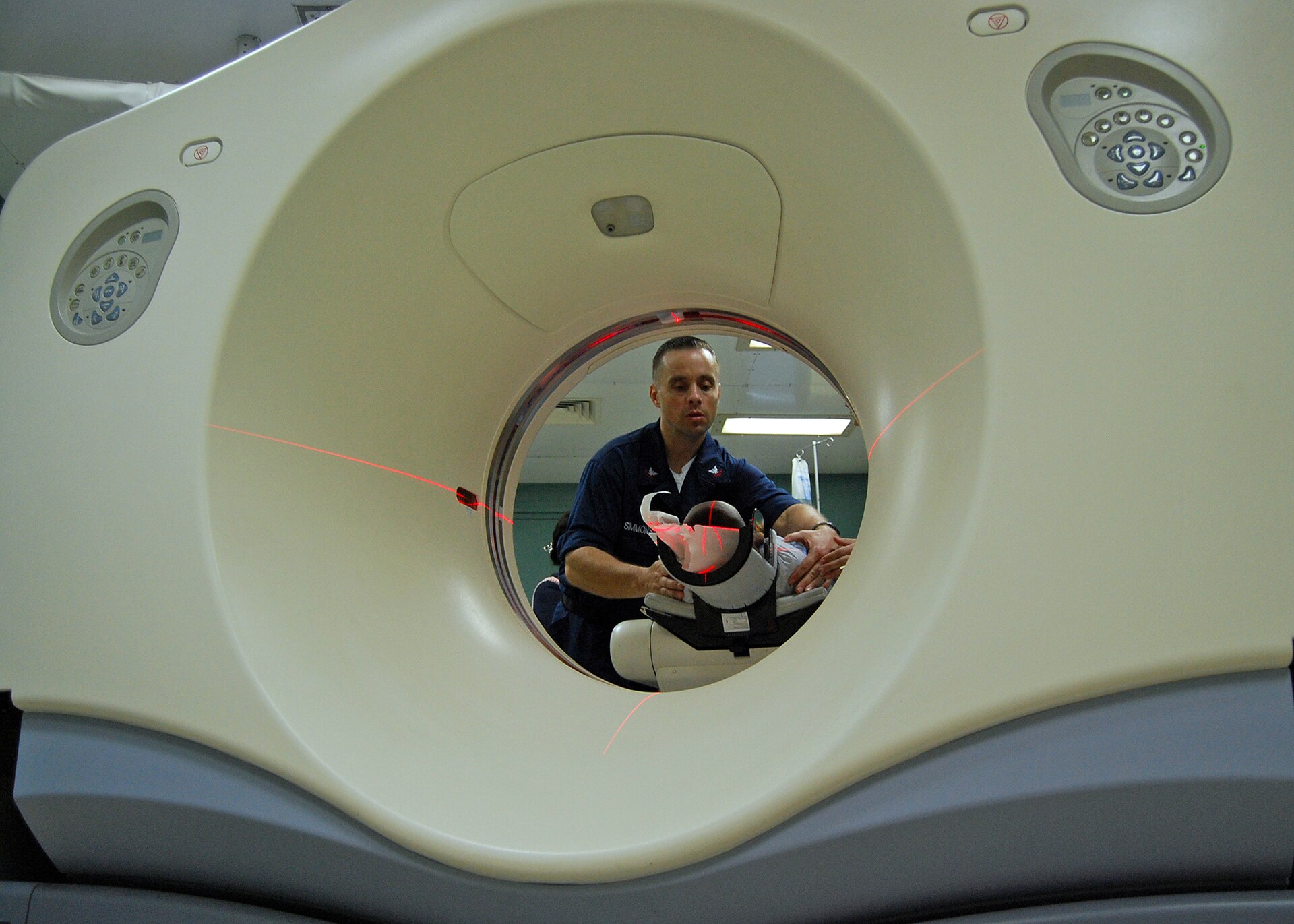
Lung cancer kills more people than any other cancer, largely because it is usually found late. Yet its early footprints are visible constantly: small nodules spotted incidentally on CT scans ordered for other reasons, or through screening of high-risk patients. The tragedy of modern lung care is not that we cannot see these warnings — it is that health systems lose track of them. A scan is filed, a recommendation is buried in a report, and a curable cancer announces itself two years later, incurable.
The American College of Chest Physicians (CHEST) has now published a framework intended to end that chaos: six steps for building lung nodule programmes that carry a patient from detection to diagnosis without falling through the cracks. It is unglamorous, systems-level medicine — registries, tracking software, dedicated coordinators — of the kind our health desk believes saves more lives than most breakthrough drugs.
Six Steps From Accident to System
The framework’s logic runs from governance to follow-through: secure institutional commitment and a multidisciplinary team; standardise how nodules are assessed and categorised by risk; build tracking systems so no finding depends on one clinician’s memory; define clear pathways for surveillance imaging and for biopsy; incorporate validated biomarker testing, such as the blood-based assays developed by Biodesix, to sharpen decisions about which nodules need invasive workup; and measure the programme’s performance so gaps become visible.
Each step attacks a documented failure mode. Studies of incidental nodules have repeatedly found that a third or more of patients receive no recommended follow-up at all. Risk categorisation matters because the opposite failure also harms: aggressive workup of benign nodules subjects healthy people to biopsies, radiation and anxiety. A programme’s job is discrimination — relentless follow-up for the dangerous few, calm surveillance for the harmless many.
Why Biomarkers Enter the Story
The inclusion of validated biomarker tests marks the framework’s modernity. For nodules of intermediate risk — too suspicious to ignore, too likely benign to biopsy lightly — protein biomarker assays can shift the probability enough to change management. The CHEST framework treats such tests as one input among several, but their presence signals where nodule care is heading: from judgement alone to judgement instrumented by data.
The Economics Argue Louder Than the Medicine
If the clinical case for nodule programmes is strong, the financial case is blunter. Treating stage-one lung cancer costs a fraction of treating stage four, with survival rates several times higher. Every nodule lost to follow-up and found again as advanced disease represents the expensive version of the same patient. Hospital administrators presented with that arithmetic — as the CHEST framework intends, since its first step is institutional commitment — tend to fund the coordinators and the tracking software.
There is an equity layer too. Lost follow-up is not randomly distributed: it concentrates among patients with the least slack in their lives — the hourly workers, the rural, the uninsured navigating between systems. A registry does not care about any of that. It simply refuses to forget anyone, which is what makes programme-building, in the end, a form of distributive justice conducted through software.
The framework’s authors are realistic about the implementation gap: none of the six steps requires new science, yet each requires coordination that fee-for-service systems reward poorly. Their argument is that the economics now point the other way. Every nodule resolved cheaply in a structured programme is a late-stage treatment — with its costs in money and survival — that the system never has to buy. The steps are less a discovery than a discipline, and the early adopters’ results suggest the discipline is the treatment.
None of this will trend on social media. It is committee work, software procurement and staffing decisions. But lung cancer’s survival curve will bend when systems stop losing the cancers they have already found — and frameworks like this one are how that bending starts. More at seemnews.com.
