

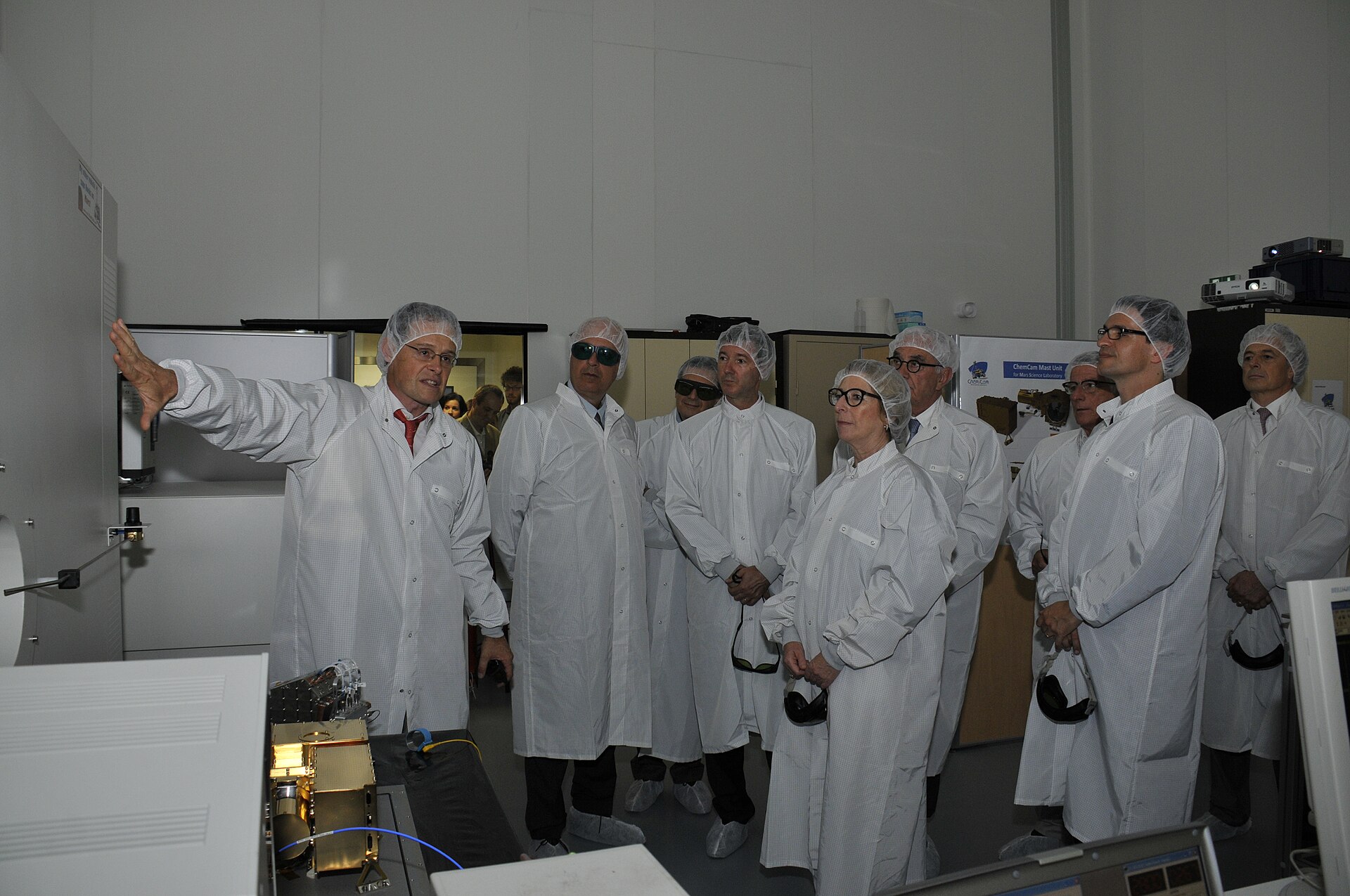
The United States’ push to rebuild its semiconductor industry has drawn another major international backer, with Japan set to invest as much as $21 billion in two GlobalFoundries factories in Malta, New York. Supporters say the commitment shows how allied nations are pooling resources to reduce dependence on a small number of overseas chip suppliers.
For background, see our earlier coverage in this related report, which looked at a very different scientific question with similar lessons about evidence and expertise.
What the Investment Covers
GlobalFoundries, headquartered in Malta, is one of the world’s largest contract chipmakers, producing semiconductors designed by other companies. The Japanese funding is expected to support two fabrication plants, or fabs, at its New York campus, helping to finance construction, advanced tooling and the highly specialised clean-room equipment needed to etch circuits onto silicon wafers. Details on the precise split between the facilities are expected to emerge as agreements are finalised. More background on the company is available from GlobalFoundries.
Unlike the cutting-edge processors used in the newest smartphones, GlobalFoundries specialises in feature-rich chips built on proven manufacturing processes. These components manage power, connectivity, radio signals and displays, and they are embedded in everything from electric vehicles to medical devices and satellites.
What It Means for Workers and Suppliers
For the Capital Region workforce, an expanded Malta campus would mean sustained demand for engineers and technicians, alongside apprenticeships for school leavers entering advanced manufacturing. Semiconductor employers nationally report difficulty hiring experienced process technicians, so training partnerships with community colleges are likely to feature in any expansion programme.
The supplier effect matters too. Fabs consume enormous quantities of silicon wafers, photoresists, specialty gases and ultrapure water, and they rely on rapid-response maintenance firms. Economists who study industrial clusters note that anchor investments like this one often pull an ecosystem of smaller companies into the surrounding counties.
How Policy Shaped the Moment
Five years ago, a foreign government financing chip plants in upstate New York would have seemed unusual. The pandemic-era shortages changed the politics of semiconductors, and the CHIPS and Science Act changed the economics. Incentives coordinated by the Department of Commerce have since drawn commitments from across the industry, and allied governments have moved in parallel.
Japanese officials have their own domestic semiconductor programme and have courted overseas production for Japanese champions. Investing in American capacity through GlobalFoundries spreads that effort across borders, embedding Japanese capital in the supply chains of the world’s largest economy, with research links supported by institutions such as the National Institute of Standards and Technology.
How the Industry Is Reacting
Semiconductor executives have spent the past three years telling investors that capacity decisions now take the better part of a decade to play out, from site selection to full production. A commitment of this size, spread across two factories, suggests GlobalFoundries and its backers expect sustained demand for the automotive, industrial and communications chips that the Malta campus is known for. Suppliers of lithography systems, wafer materials and specialty gases will read the announcement as a signal to plan their own expansions, because a fab’s purchasing ripples outward through hundreds of specialist firms. Equity analysts, meanwhile, will focus on how the funding is structured, whether as direct investment, loans or purchase commitments, since each route carries different implications for the company’s balance sheet and for taxpayers in both countries. Either way, the direction is consistent with the broader pattern of governments treating chip capacity as critical infrastructure.
Outlook for Supply and Strategy
The investment will not, by itself, end concerns about semiconductor concentration, and leading-edge production remains centred elsewhere. What it does is thicken the layer of capacity that the automotive and industrial economies run on, in a location considered politically stable and logistically well connected.
If the two Malta plants proceed on schedule, the benefits compound: suppliers invest with more confidence, training programmes fill with more certainty, and customers can plan multi-year product designs around a secure source. That compounding effect, more than any single fab, is what industrial strategy is ultimately trying to buy.
