

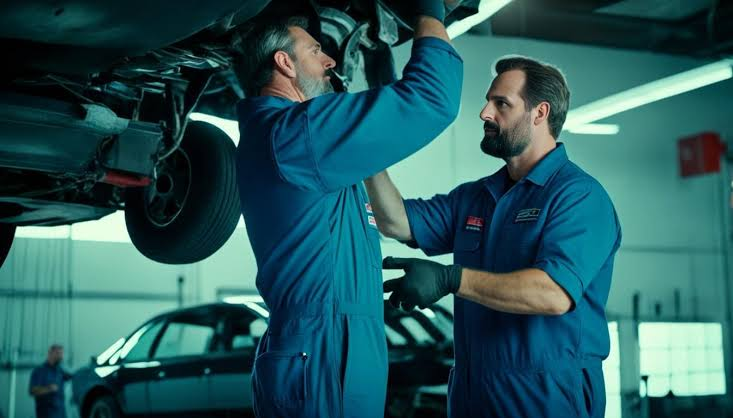
When your vehicle is damaged in an accident, finding a repair shop you can trust can feel stressful. You need more than a quick fix. You want skilled technicians, quality parts, careful workmanship, clear communication, and a repair process that gets your vehicle back on the road safely. Coachmaster Collision is a name associated with professional collision repair and a customer-focused approach to restoring damaged vehicles.
Vehicle damage can range from small dents and scratches to major body and structural problems. Each situation requires a different repair strategy. A professional auto body repair facility can inspect the damage, explain the repair process, and help restore the vehicle’s appearance and function. Understanding what happens from the first inspection to the final quality check can make the experience easier for vehicle owners.
Understanding the Collision Repair Process
A reliable collision repair process begins with a careful inspection. After an accident, some damage may be easy to see, while other problems can be hidden behind panels, bumpers, lights, or other vehicle components. A trained technician needs to examine the vehicle closely before deciding what repairs are required. This helps create a more complete repair plan and reduces the chance of missing important damage.
The initial inspection usually focuses on the visible condition of the vehicle as well as areas that may have been affected by the impact. Technicians may examine the body panels, frame or structural components, doors, hood, trunk, lighting systems, wheels, and other related parts. Modern vehicles can also contain sensors and electronic safety systems that need attention after a collision.
This is why professional collision repair is about more than making a damaged vehicle look good again. A proper repair should address safety, function, appearance, and overall vehicle performance. The goal is to return the vehicle to a condition that meets appropriate repair and manufacturer standards.
With Coachmaster Collision, the repair experience can be viewed as a complete process rather than a single service. From damage assessment and estimating to body work, refinishing, reassembly, and final inspection, each stage plays a role in the quality of the finished repair.
Clear communication is also important during this stage. Vehicle owners often have questions about repair costs, insurance claims, replacement parts, estimated completion times, and the extent of the damage. A professional repair center should make the process easier to understand instead of leaving customers uncertain about what is happening to their vehicles.
The repair estimate is another important part of the process. It gives the customer and repair facility a better understanding of the work involved. Depending on the accident, additional damage may be discovered after the vehicle is disassembled. In such cases, the repair plan may need to be updated. Keeping the customer informed helps build trust and supports a smoother repair experience.
Why Professional Auto Body Repair Matters
After a collision, it can be tempting to choose a repair shop based only on price. However, the cheapest estimate does not always represent the best value. A vehicle is a major investment, and poor-quality repairs can create additional problems later. Professional auto body repair focuses on restoring the vehicle correctly rather than simply covering up visible damage.
Quality collision repair can involve several different skills. Body technicians may need to remove damaged panels, repair or replace components, align parts, and prepare surfaces for refinishing. Paint specialists must match the vehicle’s existing color and create a finish that blends naturally with surrounding panels. Reassembly technicians may then reinstall parts and check that everything fits and functions correctly.
Modern vehicles can make this work even more complex. Many cars now include advanced driver assistance systems, cameras, radar sensors, parking sensors, and other electronic features. Damage near these systems may require additional inspection or calibration. A repair facility must understand how collision damage can affect both the physical body and the technology inside the vehicle.
Structural damage is another reason professional repairs matter. The vehicle’s structure is designed to help protect occupants during a crash. If structural components are damaged, repairs may require specialized equipment and careful measurements. Correct alignment is important because the vehicle’s body, doors, suspension components, and other systems must work together as intended.
Paint and refinishing are also major parts of a quality repair. A poorly matched color can make even a well-repaired vehicle look unfinished. Professional refinishing involves surface preparation, color matching, application, and finishing. Attention to detail can make a significant difference in the final appearance.
Coachmaster Collision can be considered within this broader approach to vehicle restoration. The focus of professional collision services is not simply to make damage disappear. It is to repair the vehicle carefully and return it to a safe, functional, and attractive condition.
The right repair facility also understands that customers may already be dealing with stress after an accident. Friendly service and straightforward communication can make a difficult situation more manageable. When customers know what to expect, they can make better decisions throughout the repair process.
Insurance Claims and Collision Repair
Insurance is often a major part of the collision repair experience. After an accident, vehicle owners may need to communicate with their insurance company, provide accident information, review estimates, and understand what their policy covers. The process can sometimes feel complicated, especially when significant damage is involved.
A collision repair facility may help customers understand the repair side of the process. This can include preparing estimates, documenting damage, communicating repair information, and working through approved repair procedures. However, insurance coverage and claim decisions depend on the individual policy and insurance provider.
Customers should always review their insurance policy and understand their rights and responsibilities after an accident. It is also helpful to ask questions before authorizing repairs. Understanding the estimate, deductible, replacement parts, repair timeline, and potential additional damage can prevent confusion later.
One important point is that an insurance estimate may change when technicians uncover hidden damage. Vehicles are often made with multiple layers of components. A damaged bumper or body panel can hide problems underneath. Once damaged parts are removed, technicians may find additional issues that were not visible during the original inspection.
This does not necessarily mean something went wrong with the original estimate. It can simply mean that the full extent of the damage could not be seen until the repair process began. A professional repair center should explain these discoveries and provide appropriate documentation.
Coachmaster Collision fits into this customer-centered repair model by emphasizing the importance of handling vehicle damage as a complete project. The customer needs to understand what is being repaired, why the work is necessary, and how the repair process is progressing.
Good communication can also help reduce delays. When the repair shop, customer, and insurance company have accurate information, decisions can often be made more efficiently. While repair times vary based on vehicle type, damage level, parts availability, and insurance approval, organized communication can help keep the process moving.
Vehicle owners should also ask about warranties or guarantees that may apply to repair work. Policies can vary between repair facilities and services, so customers should receive clear information before work begins. A written explanation of applicable coverage can provide additional confidence after the vehicle leaves the shop.
Technology, Parts, and Quality Workmanship
Modern collision repair depends heavily on technology. Professional auto body shops use specialized tools and equipment to measure damage, restore body panels, align components, refinish surfaces, and complete other repair tasks. Technology can improve accuracy, but skilled technicians remain essential because equipment must be used correctly.
Computerized estimating systems can help organize repair information and identify the parts and labor involved in a repair. Specialized measuring systems may assist with structural repairs. Paint-mixing technology can help technicians achieve accurate color matches. Diagnostic tools may be used when electronic systems are affected by a collision.
Parts are another important consideration. Depending on the repair, a vehicle may require original equipment manufacturer parts, aftermarket parts, recycled parts, or other approved components. The appropriate choice can depend on the vehicle, insurance policy, repair requirements, and applicable standards. Customers should ask questions if they are unsure which parts are being used.
A quality repair is also about fit and finish. Doors should open and close properly. Panels should align correctly. Paint should blend naturally. Lights, trim, sensors, and other components should be installed correctly. These details may seem small, but together they determine whether the final repair feels complete.
Safety systems deserve special attention. Airbags, seat belt systems, sensors, cameras, and driver assistance technology can be affected by an accident. When required, these systems may need inspection, diagnostics, or calibration after repairs. Ignoring such components can create serious safety concerns.
Coachmaster Collision represents the type of collision repair provider that customers may consider when they want a structured approach to vehicle restoration. The value of a professional repair shop is not only in the visible work. It also comes from the processes, equipment, technician knowledge, and quality checks behind that work.
Experience matters because no two accidents are exactly alike. One vehicle may need a simple dent repair, while another may require extensive body work and refinishing. Technicians must be able to evaluate different situations and determine the appropriate repair approach.
Customer education is also valuable. A trustworthy repair center should be willing to explain technical issues in language that vehicle owners can understand. Customers do not need to be automotive experts to deserve clear answers about their own vehicles.
Choosing the Right Collision Repair Partner
Selecting a collision repair shop is an important decision. Vehicle owners should look beyond advertising and consider factors such as reputation, technician experience, repair methods, communication, equipment, customer service, and the quality of completed work.
Online reviews can provide useful insight into customer experiences, although they should not be the only factor considered. Customers can also ask about the repair process, warranties, parts, estimated timelines, and how the shop handles unexpected damage. These questions can help reveal how transparent and customer-focused a repair facility is.
Convenience matters as well. After an accident, customers may need help with towing, rental vehicles, estimates, insurance communication, or scheduling. A repair center that offers a well-organized experience can reduce some of the pressure that comes with collision damage.
Location can also influence the decision. A nearby auto body shop may be easier to visit when dropping off or picking up a vehicle. However, convenience should be balanced with repair quality. A short drive is not necessarily worth choosing a shop that does not provide the level of service your vehicle requires.
The condition of the vehicle after repairs is the most important consideration. Before accepting the vehicle, customers should review the repaired areas and make sure the vehicle looks and operates as expected. They can ask questions if something does not appear correct or if a warning light is present.
A professional collision repair experience should end with a careful quality check. Technicians may inspect panel alignment, paint quality, lights, safety systems, and other repaired components. The exact inspection process varies by repair facility and vehicle, but the basic goal remains the same: make sure the completed work meets the expected repair requirements.
Coachmaster Collision can be part of this conversation for drivers seeking dependable collision repair and vehicle restoration. The name is naturally connected with the larger goal of helping vehicle owners move from accident damage toward a properly repaired vehicle.
Trust is built through consistent workmanship and honest communication. A repair shop that explains the work, documents the process, answers questions, and takes pride in its results is more likely to create a positive customer experience.
Ultimately, collision repair is about restoring more than appearance. It is about helping drivers regain confidence in their vehicles. From the first inspection to the final handoff, every stage matters. Choosing a repair facility that values quality, safety, technology, and customer service can make a major difference.
Conclusion
Recovering from a vehicle accident can be stressful, but the repair process does not have to be confusing. A professional collision repair facility can guide vehicle owners through damage assessment, estimating, body repair, paint refinishing, parts replacement, reassembly, and final inspection. Each step contributes to a safer and better-looking vehicle.
Coachmaster Collision is relevant to drivers looking for a complete approach to collision repair. Whether the damage involves a small dent, damaged bumper, scratched paint, or more extensive body work, quality workmanship and clear communication remain essential.
The best repair experience is one that puts the vehicle and the customer first. By asking informed questions, understanding the repair estimate, reviewing insurance details, and choosing a qualified repair provider, vehicle owners can feel more confident about the road ahead. A properly handled collision repair is not simply about fixing what is broken. It is about restoring safety, appearance, performance, and peace of mind from start to finish.
