

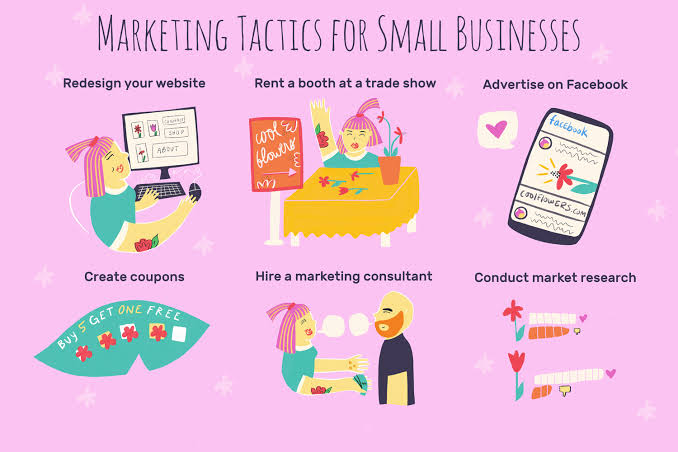
Small businesses operate in an environment where competition is intense, customer expectations are high, and resources are often limited. Unlike large corporations with extensive budgets, small businesses must rely on creativity, consistency, and smart strategy to build visibility and attract customers. Marketing plays a central role in this journey because it determines how effectively a business communicates its value to its target audience.
Successful marketing is not only about advertising products or services. It is about building relationships, earning trust, and creating a brand identity that resonates with customers. At the same time, long-term success also depends on operational discipline such as company maintenance, which ensures that the business remains compliant, organized, and ready for growth.
This article explores the best marketing ideas for small businesses and explains how thoughtful strategies combined with strong internal systems can lead to sustainable success.
Understanding Small Business Marketing in a Competitive World
Marketing for small businesses is fundamentally different from marketing for large enterprises. Small businesses must be more agile, more personalized, and more strategic in how they approach customers. Every decision matters because budgets are limited and every campaign must generate measurable results.
Unlike traditional advertising models that rely heavily on mass exposure, modern small business marketing focuses on precision. Businesses aim to reach the right audience at the right time with the right message. This approach increases efficiency and reduces wasted resources.
Digital transformation has further reshaped marketing. Today, even small businesses can compete globally using social media, search engines, and online platforms. However, success requires consistency, creativity, and a clear understanding of customer behavior.
Building a Strong Brand Identity
One of the most important marketing foundations for any small business is brand identity. A strong brand helps customers recognize the business, remember it, and trust it over time.
Brand identity includes visual elements such as logos and colors, but it also includes tone, messaging, and overall personality. A consistent brand creates familiarity, and familiarity builds trust.
Small businesses often benefit from simplicity. A clear and memorable identity is more effective than overly complex branding. Customers should immediately understand what the business stands for and what value it provides.
Brand identity also plays an important role in company maintenance because it ensures consistency across all marketing materials, legal documents, and communication channels. When a business maintains a stable identity, it becomes easier to manage operations and customer relationships effectively.
Leveraging Social Media Marketing
Social media is one of the most powerful tools available to small businesses. It provides direct access to customers and allows businesses to communicate in real time.
Platforms such as Facebook, Instagram, TikTok, and LinkedIn enable businesses to share updates, promote products, and build communities. However, success on social media requires more than posting advertisements. Businesses must engage with audiences through meaningful content and consistent interaction.
Authenticity is key. Customers respond better to real stories, behind-the-scenes content, and honest communication. Small businesses that show personality often perform better than those that rely solely on promotional content.
Social media also supports brand visibility and helps businesses stay relevant in competitive markets. When combined with strong company maintenance practices, social media marketing becomes more effective because it reflects a stable and trustworthy business structure.
Content Marketing for Long-Term Growth
Content marketing is one of the most effective long-term strategies for small businesses. It focuses on creating valuable and informative content that attracts and engages customers.
Blog posts, videos, guides, and tutorials help businesses establish authority in their industry. When customers find useful information, they are more likely to trust the brand and eventually make a purchase.
Content marketing also improves search engine visibility. By targeting relevant keywords and answering customer questions, businesses can attract organic traffic without relying heavily on paid advertising.
A consistent content strategy supports long-term brand building. It also complements company maintenance because both require regular updates, organization, and attention to detail. Businesses that maintain consistent content production and operational structure tend to perform better over time.
Email Marketing as a Powerful Communication Tool
Email marketing remains one of the most cost-effective marketing strategies for small businesses. It allows direct communication with customers who have already shown interest in the brand.
Through email, businesses can share promotions, updates, educational content, and personalized recommendations. This helps maintain customer engagement and encourages repeat business.
Segmentation is an important aspect of email marketing. By dividing customers into groups based on behavior or preferences, businesses can send more relevant messages.
Email marketing also supports company maintenance indirectly by improving customer retention and reducing acquisition costs. A well-organized email system reflects a well-managed business structure.
Local SEO and Online Visibility
Search engine optimization plays a crucial role in helping small businesses attract local customers. Local SEO focuses on optimizing online presence so that businesses appear in relevant search results within their geographic area.
This includes optimizing website content, creating Google Business profiles, and collecting customer reviews. When done correctly, local SEO can significantly increase visibility and drive foot traffic or online inquiries.
Small businesses that invest in SEO build long-term digital assets that continue to generate traffic over time. This reduces dependency on paid advertising and creates sustainable growth opportunities.
Strong SEO practices also support company maintenance because they require consistent updates, accurate information, and ongoing monitoring of online presence.
Influencer and Community Marketing
Influencer marketing has become a popular strategy for small businesses looking to expand their reach. Collaborating with influencers allows businesses to tap into established audiences and gain credibility quickly.
Micro-influencers are often more effective for small businesses because they have highly engaged audiences and more affordable partnership rates. Authentic recommendations from influencers can significantly impact purchasing decisions.
Community marketing is equally important. Building a loyal customer community encourages engagement, feedback, and word-of-mouth promotion. Communities create emotional connections that strengthen brand loyalty.
Both influencer and community marketing help small businesses grow organically while maintaining authenticity.
Referral Programs and Word-of-Mouth Growth
Word-of-mouth marketing remains one of the most powerful tools for small businesses. People trust recommendations from friends and family more than traditional advertising.
Referral programs encourage existing customers to share the business with others. By offering incentives such as discounts or rewards, businesses can increase customer acquisition through referrals.
This type of marketing is cost-effective and highly efficient because it relies on satisfied customers rather than paid campaigns.
A strong referral system also reflects effective company maintenance because it requires tracking, organization, and customer relationship management.
Paid Advertising for Fast Results
While organic strategies are important, paid advertising can provide immediate visibility. Platforms such as Google Ads, Facebook Ads, and Instagram Ads allow businesses to target specific audiences based on demographics, interests, and behavior.
Paid advertising is especially useful for new businesses that need quick exposure. However, it must be managed carefully to ensure a positive return on investment.
Successful campaigns require testing, optimization, and performance tracking. Businesses should focus on clear messaging and strong calls to action.
When combined with proper company maintenance, paid advertising becomes more efficient because structured business operations allow better budget management and campaign analysis.
Customer Experience as a Marketing Strategy
Customer experience is one of the most underrated marketing tools for small businesses. Every interaction a customer has with a business contributes to its overall perception.
Positive experiences lead to repeat purchases, positive reviews, and strong brand loyalty. Negative experiences can quickly damage reputation and reduce future sales.
Small businesses should focus on responsiveness, personalization, and quality service. Even small improvements in customer experience can have a significant impact on marketing performance.
Customer experience also supports long-term company maintenance because satisfied customers reduce operational pressure and improve stability.
Visual Marketing and Design Strategy
Visual content plays a critical role in capturing customer attention. High-quality images, videos, and graphics help businesses communicate messages more effectively.
Small businesses do not need large budgets to create strong visual content. Simple, consistent, and well-designed visuals can significantly improve brand perception.
Visual marketing is particularly important on social media and websites where first impressions matter.
A consistent visual identity also supports company maintenance by ensuring that branding remains organized and aligned across all platforms.
Networking and Strategic Partnerships
Networking is a powerful but often overlooked marketing strategy. Building relationships with other businesses, industry professionals, and local organizations can create valuable opportunities.
Partnerships allow businesses to reach new audiences, share resources, and collaborate on marketing campaigns.
Networking also helps small businesses stay informed about industry trends and customer expectations.
Strong professional relationships contribute to both marketing success and long-term business stability, reinforcing the importance of structured company maintenance.
Importance of Company Maintenance in Marketing Success
While marketing focuses on attracting customers, company maintenance ensures that the business operates smoothly behind the scenes. It includes financial management, legal compliance, documentation, branding consistency, and operational organization.
Without proper maintenance, even the best marketing strategies can fail. A disorganized business may struggle with customer service, delivery delays, or inconsistent communication, which negatively affects reputation.
Well-maintained companies are more reliable, scalable, and trustworthy. This stability enhances marketing effectiveness because customers are more likely to engage with businesses they perceive as professional and dependable.
Company maintenance and marketing are interconnected. One builds visibility while the other builds stability. Together, they create a strong foundation for sustainable growth.
Conclusion
Small business marketing requires creativity, consistency, and strategic thinking. From social media engagement and content marketing to SEO, referrals, and paid advertising, there are many ways to attract and retain customers.
However, marketing alone is not enough. Businesses must also invest in strong company maintenance to ensure smooth operations and long-term stability.
When marketing efforts are supported by well-structured business practices, small businesses can achieve sustainable growth, stronger customer relationships, and long-lasting success in competitive markets.
Frequently Asked Questions
What is the most effective marketing strategy for small businesses?
There is no single strategy that works for every business. The most effective approach usually combines content marketing, social media engagement, SEO, and customer relationship building.
Why is social media important for small business marketing?
Social media allows businesses to connect directly with customers, build communities, and promote products in a cost-effective way.
How does content marketing help small businesses?
Content marketing builds trust, improves search visibility, and helps businesses attract customers by providing valuable and informative content.
What is the role of email marketing?
Email marketing helps businesses maintain direct communication with customers, promote offers, and encourage repeat purchases.
Why is company maintenance important for marketing?
Company maintenance ensures that business operations remain organized, compliant, and efficient, which supports consistent and effective marketing.
Can small businesses rely only on organic marketing?
Organic marketing is powerful but often slower. Many businesses combine organic strategies with paid advertising for faster results.
What is local SEO and why is it important?
Local SEO helps businesses appear in search results for nearby customers, increasing visibility and driving local traffic.
How can small businesses build brand awareness?
Brand awareness can be built through consistent branding, content creation, social media engagement, and customer referrals.
What is the importance of customer experience in marketing?
Customer experience directly influences satisfaction, loyalty, and word-of-mouth promotion, making it a key marketing factor.
How do partnerships help small business marketing?
Partnerships expand reach, provide access to new audiences, and create opportunities for collaboration and growth.
