

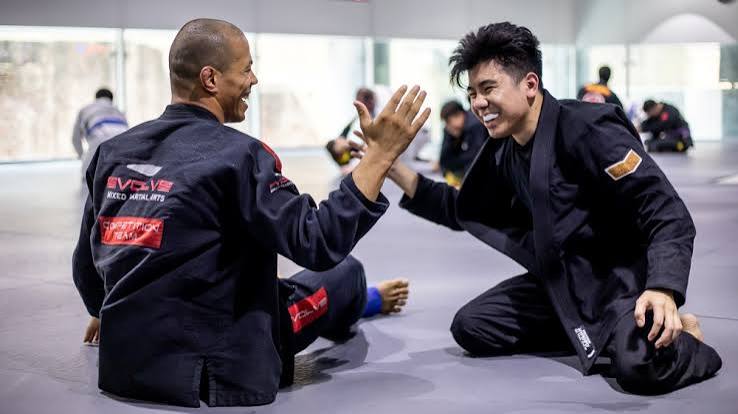
Brazilian Jiu-Jitsu (BJJ) is a martial art built around technique, leverage, timing, control, and smart movement. Unlike striking-based martial arts, BJJ focuses heavily on grappling, positional control, takedowns, escapes, and submissions. For beginners, the number of positions and techniques can seem confusing at first. Learning the basic positions gives students a strong foundation and makes every training session easier to understand. When students begin brazilian jiu jitsu lessons at a trusted school such as AmeriKick Martial Arts, they gradually learn how each position connects to the next and why controlling position is often more important than rushing for a submission.
Understanding BJJ positions also helps beginners train with greater confidence and awareness. A good instructor teaches students how to stay balanced, protect themselves, create space, and improve their position before attempting advanced techniques. Whether someone is interested in martial arts training, self-defense, fitness, or Brazilian Jiu-Jitsu competition, positional knowledge is an essential part of development. The following five positions are among the most important concepts beginners should learn during their early BJJ training.
Closed Guard
The closed guard is one of the most recognizable positions in Brazilian Jiu-Jitsu. In this position, the person on the bottom uses their legs to control the opponent by wrapping their legs around the opponent’s waist and keeping their ankles connected. Although being underneath an opponent may look like a disadvantage to someone unfamiliar with grappling, the closed guard can provide excellent control. A beginner can use this position to manage distance, prevent easy movement, and work toward improving their position. It also teaches important concepts such as posture, grips, hip movement, and balance.
During brazilian jiu jitsu lessons, instructors often introduce the closed guard because it helps students understand how leverage can make a major difference in grappling. The goal is not simply to hold someone in place. Students learn how to create opportunities through controlled movement and proper technique. Beginners may also practice basic guard openings and transitions from the closed guard into other positions. Learning to remain calm while working from the bottom is especially valuable because BJJ frequently requires students to solve positional problems rather than rely on strength alone.
Mount Position
The mount is another fundamental BJJ position that every beginner should understand. In the mount, one person is positioned on top of the other person’s torso while maintaining control with their legs and body position. This position can provide strong control because the person on top has a stable base and can limit the movement of the person underneath. For beginners, learning the mount is about much more than knowing where to sit. Students need to understand balance, weight distribution, posture, and how to maintain control while their training partner attempts to escape.
AmeriKick Martial Arts can help beginners develop these skills through structured martial arts instruction and supervised practice. In a typical BJJ class, students may learn both sides of the position, including how to maintain the mount and how to safely escape from it. Learning escapes is particularly important because BJJ training is not only about controlling another person. Students also need to know how to respond when they are placed in an uncomfortable or disadvantaged position. This balanced approach helps develop practical grappling skills and encourages technical problem-solving.
Side Control
Side control is a dominant position where one practitioner controls their training partner from the side rather than sitting directly on top of the torso. It is commonly used after passing the guard and is an important step in many BJJ positional sequences. Beginners learn that effective side control depends on maintaining pressure, controlling movement, and establishing a stable base. Small changes in body position can make a significant difference, which is why instructors emphasize technique instead of simply using body weight.
For students taking brazilian jiu jitsu lessons, side control also provides valuable opportunities to practice transitions. A practitioner may move from side control toward mount, another control position, or a safer defensive position depending on the situation. The person underneath can practice creating space, protecting their position, and working toward an escape. These movements teach one of the central lessons of Brazilian Jiu-Jitsu: positions are connected. Improving one part of a student’s positional understanding can make other techniques easier to learn.
Back Control
Back control is considered one of the strongest positional advantages in BJJ because it allows a practitioner to control an opponent from behind while limiting their ability to face forward. Beginners usually learn the importance of maintaining proper body alignment and controlling movement before focusing on advanced submission techniques. The person controlling the back needs to stay balanced and avoid allowing their training partner to escape or turn into a better position.
Back control also teaches beginners why patience matters in grappling. Trying to move too quickly can cause a practitioner to lose control, while good positioning can create better opportunities. In brazilian jiu jitsu lessons at a structured training facility, students can learn these concepts progressively and practice them with appropriate supervision. This makes the learning process more manageable and helps students understand how positional control works during live training.
Knee-on-Belly
Knee-on-belly is a transitional control position in which one practitioner places a knee across their training partner’s midsection while using the other leg and upper body to maintain balance. It allows the person on top to stay mobile while putting controlled pressure on the opponent. For beginners, the position provides a useful lesson in balance, distance management, and movement. Because the position is more mobile than some traditional control positions, students need to pay attention to their base and avoid becoming unstable.
Learning knee-on-belly can also help beginners understand how BJJ positions can change quickly. A practitioner may transition from side control into knee-on-belly and then move into another position depending on their partner’s response. These transitions are an important part of Brazilian Jiu-Jitsu training because successful grappling rarely involves staying in one position for an entire exchange. With consistent practice, students become more comfortable recognizing positional opportunities and responding to movement.
Why Positional Awareness Matters for Beginners
Beginners sometimes focus heavily on learning submissions because they are one of the most exciting parts of Brazilian Jiu-Jitsu. However, strong positional awareness should come first. A practitioner who understands how to establish control, maintain balance, escape bad positions, and move between positions will have a much stronger foundation for learning more advanced techniques. Positional training also improves coordination, body awareness, timing, and decision-making. These skills can benefit students whether they train for recreation, physical fitness, competition, or personal development.
The best way to build positional awareness is through consistent instruction and controlled practice. At AmeriKick Martial Arts, students can develop their understanding step by step rather than trying to master everything at once. Regular brazilian jiu jitsu lessons give beginners repeated opportunities to practice fundamental movements, receive coaching, and understand how individual techniques fit into the larger BJJ system. Over time, familiar positions become easier to recognize, and students can begin connecting escapes, transitions, takedowns, guard work, and submission setups more naturally.
Conclusion
Learning the closed guard, mount, side control, back control, and knee-on-belly gives beginners a strong introduction to the positional side of Brazilian Jiu-Jitsu. Each position teaches a different lesson about control, balance, movement, leverage, and strategy. More importantly, these positions form a foundation that students can continue building as their skills improve. Beginners do not need to master every technique immediately. Consistent practice, good instruction, patience, and a willingness to learn from each training session are far more important.
For anyone considering BJJ for fitness, self-defense, competition, or personal growth, choosing the right training environment can make the learning experience more rewarding. AmeriKick Martial Arts provides an opportunity for students to explore martial arts in a structured setting while developing practical grappling fundamentals. With regular brazilian jiu jitsu lessons, beginners can gradually build confidence, improve their technique, and develop a deeper understanding of how BJJ works.
