

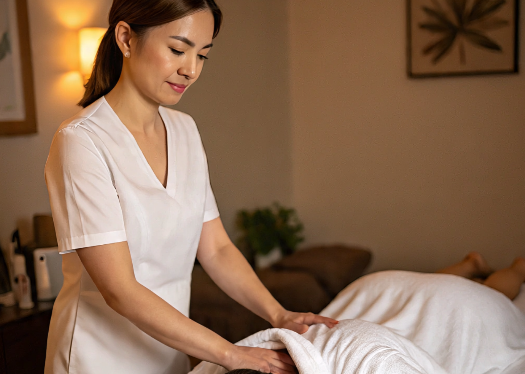
The human body is constantly working to repair itself. From daily physical activity to emotional stress and environmental pressures, the body experiences small forms of damage that require recovery. While rest and nutrition are essential, they are not always enough to restore balance on their own. 의왕출장마사지 Massage therapy plays a powerful role in supporting full-body recovery by helping muscles, joints, circulation, and the nervous system return to a healthy, balanced state.
The Meaning of True Body Recovery
Body recovery goes beyond simply resting after tiredness or injury. True recovery involves restoring strength, mobility, flexibility, and internal balance. When recovery is incomplete, the body remains tense and vulnerable to pain or long-term issues. Massage therapy supports the recovery process by working directly with the body’s tissues and systems, allowing them to heal more efficiently.
Reawakening Tired Muscles
Muscles are heavily involved in everyday movement, even during simple tasks like standing or walking. Over time, muscles can become fatigued and lose their natural elasticity. Massage therapy helps reawaken tired muscles by gently stimulating them. This stimulation encourages muscles to relax, contract properly, and regain their natural function, which is essential for overall recovery.
Enhancing Circulatory Efficiency
Efficient blood flow is crucial for body recovery. Blood delivers oxygen and nutrients while removing waste products from tissues. When circulation is poor, healing slows down. Massage therapy improves circulatory efficiency by encouraging blood movement throughout the body. As circulation improves, cells receive the resources they need to repair and regenerate more effectively.
Supporting the Body’s Natural Detox Process
Every day, the body produces waste materials through normal metabolic activity. If these substances are not properly eliminated, they can contribute to fatigue and discomfort. Massage therapy supports the body’s detox processes by stimulating the lymphatic system. This helps move excess fluids and toxins out of the body, allowing tissues to recover in a cleaner and healthier internal environment.
Reducing Physical Stress Accumulated in the Body
Physical stress builds up in the body due to repetitive movements, heavy lifting, or prolonged sitting. This stress often settles into muscles and joints, limiting movement and causing discomfort. Massage therapy reduces this physical burden by loosening tight areas and redistributing stress across the body. As a result, the body feels lighter and more capable of healing.
Restoring Joint Comfort and Mobility
Joints rely on surrounding muscles and connective tissues for support. When these tissues are tight or imbalanced, joint movement becomes restricted. Massage therapy improves joint comfort by relaxing the muscles around them and increasing flexibility in connective tissues. Improved joint mobility plays a major role in full-body recovery, especially after strain or overuse.
Balancing the Nervous System
The nervous system controls how the body responds to activity, rest, and stress. When the body remains in a constant state of alertness, recovery slows down. Massage therapy encourages a shift toward a relaxed nervous system state. This balance allows the body to focus on healing rather than constant tension, making recovery faster and more complete.
Improving Body Alignment and Movement Patterns
Poor movement patterns often develop without notice, leading to uneven strain on muscles and joints. Over time, these imbalances interfere with recovery. Massage therapy helps correct these patterns by relaxing overworked muscles and supporting better alignment. Improved alignment allows the body to move more efficiently, reducing the risk of injury and aiding long-term recovery.
Encouraging Deeper Rest and Better Sleep
Quality sleep is one of the most important elements of body recovery. Without proper rest, tissues cannot repair themselves effectively. Massage therapy improves sleep quality by easing physical discomfort and calming the mind. When the body sleeps deeply, recovery processes such as tissue repair and hormone regulation become more effective.
Reducing Inflammation Naturally
Inflammation is part of the body’s response to strain or injury, but prolonged inflammation can slow recovery. Massage therapy helps regulate inflammation by improving circulation and reducing tissue congestion. This natural approach supports healing without relying on external interventions.
Supporting Mental and Emotional Recovery
Body recovery is closely connected to emotional well-being. Mental stress can slow physical healing by keeping the body tense. Massage therapy provides a space for mental relaxation, helping release emotional stress stored in the body. As emotional pressure decreases, the body becomes more open to recovery.
Improving Energy Restoration
When the body is not fully recovered, energy levels remain low. Massage therapy helps restore energy by improving circulation, reducing tension, and supporting better sleep. 안양출장안마 Many people feel renewed and refreshed after massage sessions, which reflects deeper internal recovery taking place.
Helping Prevent Future Strain and Injury
Recovery is not only about healing current issues but also about preventing future ones. Massage therapy strengthens recovery by identifying and addressing tension before it becomes injury. Regular sessions help maintain muscle flexibility and balance, reducing the likelihood of recurring strain.
Supporting Recovery for Active and Sedentary Lifestyles
Both active individuals and those with sedentary lifestyles require recovery. Physical activity causes muscle fatigue, while inactivity leads to stiffness and poor circulation. Massage therapy adapts to both needs by either supporting muscle repair or improving movement and circulation, making it beneficial for all lifestyles.
A Gentle Yet Powerful Recovery Tool
Massage therapy does not force the body to heal; it encourages healing naturally. Its gentle techniques respect the body’s limits while promoting recovery at a deep level. This makes it suitable for people of all ages and physical conditions.
Encouraging Long-Term Body Awareness
Recovery improves when people understand their bodies better. Massage therapy increases body awareness by highlighting areas of tension and imbalance. This awareness helps individuals make better daily choices that support ongoing recovery and overall health.
A Holistic Approach to Healing
Unlike isolated treatments, massage therapy supports the entire body. Muscles, joints, circulation, and the nervous system work together during a massage session. This holistic approach ensures that recovery is balanced rather than focused on just one area.
Conclusion: A Natural Path to Complete Body Recovery
Massage therapy is an effective and natural way to support overall body recovery. By improving circulation, relaxing muscles, balancing the nervous system, and promoting deep rest, it helps the body heal from daily strain and stress. Rather than offering temporary relief, massage therapy encourages lasting recovery and resilience. When practiced regularly, it becomes a powerful tool for maintaining a healthy, balanced, and fully recovered body.
