

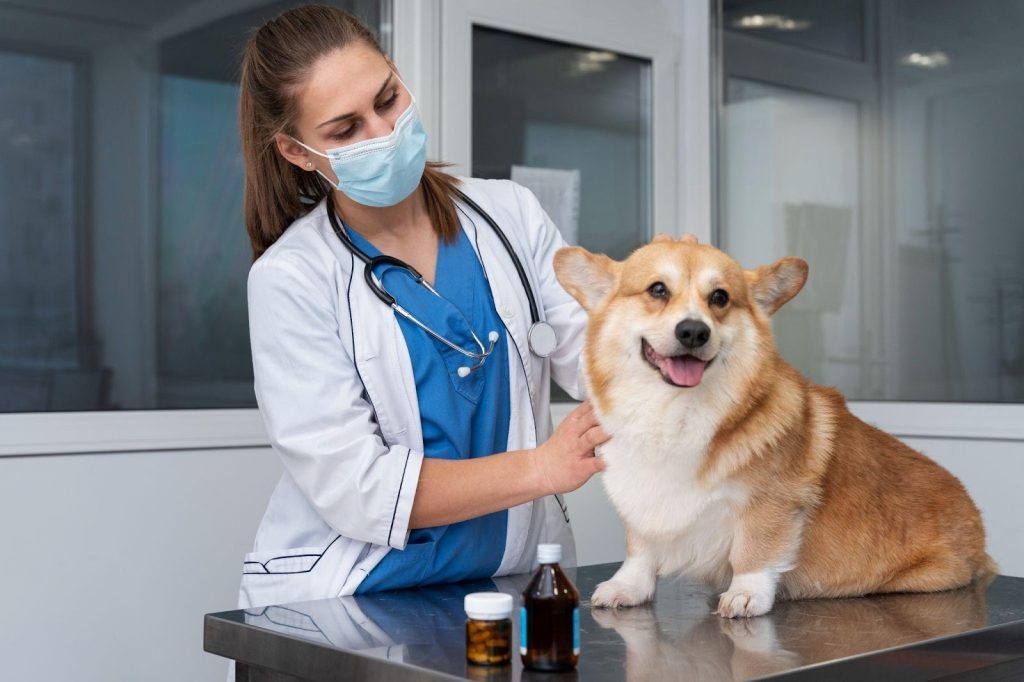
Pets today are no longer seen as just animals living alongside us, they are companions, emotional anchors, and very real members of the family. This shift in how we perceive pets has reshaped veterinary care in remarkable ways. Beyond vaccinations, nutrition, and routine check-ups, modern veterinary medicine now includes aesthetic and reconstructive cosmetic pet surgery designed to improve a pet’s comfort, confidence, and overall quality of life. As a result, pet aesthetics has emerged as a growing and often misunderstood area of veterinary practice.
Understanding Pet Aesthetics in a Modern Context
Vanity is not the only aspect of pet aesthetics. Although the word might conjure up the idea of looking good, a lot of cosmetic surgeries possess a larger functional or psychological reward. The contemporary perspective of aesthetics by veterinarians is multifaceted in the sense of balancing between the physical appearance, health, and long-term well-being.
As surgery has become more precise, anesthesia safety and post-operative care, previously believed to be high-risk or unneeded procedures, are now done with safety and ethical standards high in quality. This development has paved the way to therapies that are more of not only the obvious issues but also the medical or behavioral issues at hand.
What Is Cosmetic Surgery for Pets?
Fundamentally, cosmetic pet surgery is known as a surgery that changes or replenishes the physical looks of a pet. These can be corrective surgery to make the face look more symmetrical, revision surgery to remove the scar on traumas or to replace the part of the body that has been lost due to illness or injury. These procedures in most instances make pets more relaxed, move or socialize without pain or anguish.
To illustrate, when a dog is born with an eyelid defect, he/she might be subjected to long term irritation and infection. Cosmetic surgery is also essential to correct aesthetic surgery and avoid discomfort in the long term. Likewise, post-accident reconstruction can be used to repair normal functioning in addition to correcting the obvious damage.
Why Pet Aesthetic Procedures Are Becoming More Common
Several factors have contributed to the rise of aesthetic veterinary care:
1. Stronger Human–Pet Bonds
The more emotional the attachment, the more pet owners are concerned about their living full, comfortable, and confident lives. The behavior and interactions of the pet can be influenced by physical pain or noticeable deformity and make the owner seek a solution.
2. Advancements in Veterinary Technology
In the contemporary clinics, there are now sophisticated imaging devices, less invasive surgical equipment, and sophisticated anesthesia guidelines. These inventions lower the risks, decrease the recovery period, and increase the availability of complicated procedures.
3. Increased Awareness and Education
Modern pet owners are usually educated. Veterinary research and online sources, as well as consultations with professional help, have been able to eliminate the myths concerning pet surgeries and make their real advantages known.
Elective vs. Medically Necessary Procedures
The most important difference in veterinary surgery is between the necessary, medically required procedures and the elective pet surgery. Elective procedures do not save lives immediately but are done to improve comfort, beauty, or health in the long term.
For instance, making small skeletal abnormalities right, treating skin folds which are irritating or perfecting healed wounds which restrict motion. The practice of ethics in the field of veterinary stresses the fact that the term elective does not imply something that is not necessary. Every procedure is critically considered to make sure that it really does good to the animal, both physically and emotionally.
Ethical Considerations in Pet Cosmetic Surgery
In contemporary veterinary aesthetics, ethics have a leading role. Proven clinics have guidelines that are way stricter with animal welfare taking precedence over the wishes of the owner. Unnecessary procedures which are likely to cause harm, restrict natural behavior or benefit which cannot be tangibly measured are strongly discouraged.
Veterinarians have been trained not only to determine the physical possibility of a procedure, but also the effect it may have on the long-term health of the pet. Ethical practice should include transparent communication, informed consent, and individual care plans.
The Role of Personalized Treatment Plans
The shift towards non-standardized treatment is one of the most significant changes in the area of modern veterinary medicine. Pets are not the same, each will be different in breed, age, health history, temperament, etc.
Tailor-made care plans mean every procedure of an animal is specific to the animal. This involves pre-operative evaluation, pain management plans and recovery plans that aim at reducing stress levels and facilitating recovery.
Recovery, Aftercare, and Emotional Well-Being
The period after surgery is equal to the procedure. The contemporary veterinary facilities are greatly focused on the recovery process, and they provide comprehensive advice to the owners of pets during all levels. These issues as pain management, wound care, and follow-up visits are well aligned to allow a smooth healing process.
Emotional recovery is also important. Animals are creatures that are sensitive to routine and physical touch. Kind treatment, home comforts, and involvement of owners are critical in assisting the animal to gain the confidence following surgical operations.
The Future of Pet Aesthetics
With the ongoing development of veterinary medicine, pet aesthetics is likely to be even more sophisticated and morally sound. The future is less invasive, more specific and more animal-welfare-centered procedures. Instead of aiming at appearance only, the aspect will be a compromise on bringing quality of life, comfort and functional health improvement.
Conclusion: Choosing the Right Care for Your Pet
The emergence of pet aesthetics is indicative of a wider shift in the way we treat animals. When done in a responsible manner, cosmetic and reconstructive procedures can have a positive impact on the physical health of a pet and its mental state. It is all about the selection of qualified professionals focusing on ethics, transparency, and personal care.
If you’re looking for the best surgery clinic for your pet, reach out to Companion Veterinary Clinic. Here, surgeries for pets are approached with empathy, precision, and purpose. Every pet is treated like family, supported by advanced surgical technology and heartfelt care. Not only pre-planned surgeries, they also offer emergency pet surgeries in case your pet’s health deteriorates. Their research-based methods, trusted veterinary partnerships, and personalized treatment plans ensure clarity, comfort, and confidence from consultation through recovery.
