

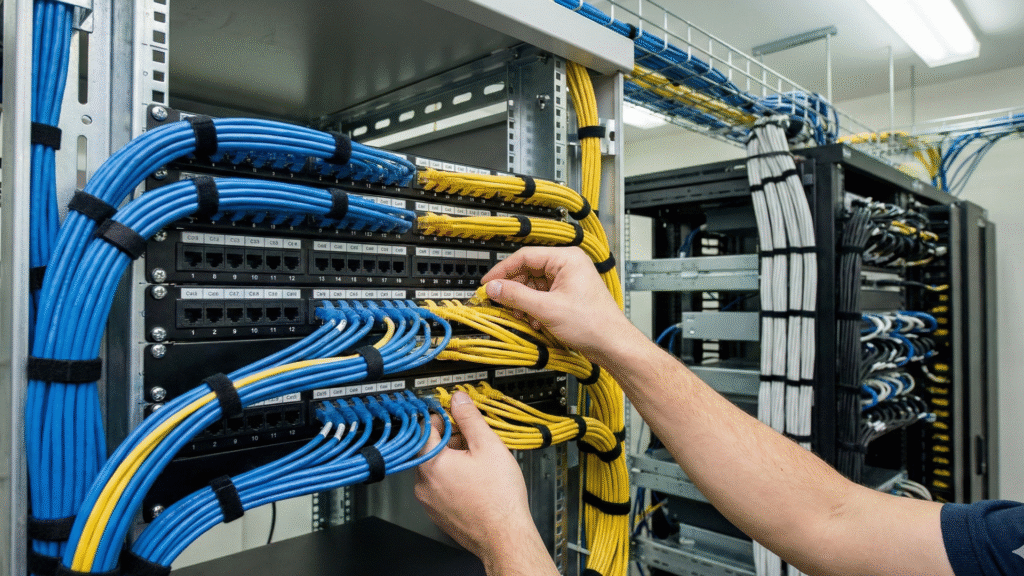
In today’s digital workplace, every office depends on fast, stable, and secure internet connections. From emails and video meetings to cloud storage and internal systems, everything relies on a strong network foundation. This is where Data Cabling plays a major role. Without a properly planned cabling system, even the most advanced technology can struggle to perform efficiently.
Structured cabling is the organized system of cables and hardware that connects computers, servers, phones, and other devices within an office. It forms the backbone of all communication and data transfer. When designed correctly, it improves speed, reduces downtime, and supports long-term business growth. Many businesses overlook the importance of proper Data Cabling, but it is one of the most critical parts of modern IT infrastructure.
A well-structured system is not just about running wires through walls. It is about planning a complete network that supports current needs and future expansion. As offices grow and technology evolves, the demand for reliable connectivity increases. This makes structured cabling a smart investment for any organization that depends on digital systems.
Understanding Structured Data Cabling in Modern Office Environments
Structured cabling refers to a standardized approach to organizing and installing a communication network inside a building. Instead of random or messy wiring, everything is arranged in a clear and efficient layout. This system includes cables, connectors, patch panels, and other supporting equipment that work together to create a smooth data flow.
In a modern office, Data Cabling connects all essential devices such as computers, printers, servers, phones, and Wi-Fi access points. It supports local area networks (LAN), internet access, and internal communication systems. The goal is to create a unified infrastructure that can handle large amounts of data without interruptions.
One of the key benefits of structured cabling is consistency. When cables are properly labeled and organized, it becomes easier to manage and troubleshoot the system. IT teams can quickly identify issues without wasting time searching through tangled wires. This reduces maintenance time and helps keep the office running smoothly.
Another important aspect is standardization. Structured cabling follows industry guidelines, which ensures compatibility with various devices and technologies. This makes it easier for businesses to upgrade their systems in the future without replacing the entire network. As a result, companies save both time and money in the long run.
Why Data Cabling Is Essential for Office Network Performance
Network performance is the heart of every modern office. Slow connections, frequent disconnections, or system failures can severely affect productivity. High-quality Data Cabling ensures that data moves quickly and reliably between devices, reducing delays and improving overall efficiency.
One of the biggest advantages of structured cabling is speed. When cables are properly installed and organized, they reduce signal interference and data loss. This leads to faster internet speeds and smoother communication between systems. Employees can share files, attend video conferences, and access cloud applications without interruptions.
Reliability is another major factor. Poorly installed or low-quality cabling can cause frequent downtime, which disrupts daily operations. A structured system is designed to minimize these risks by using high-grade materials and proper installation techniques. This ensures that the network remains stable even during heavy usage.
Security also improves with proper Data Cabling. A well-designed network reduces the chances of unauthorized access or physical tampering. When cables are neatly organized and stored in secure locations, it becomes harder for external threats to interfere with the system. This is especially important for businesses handling sensitive information.
In addition, structured cabling supports better network management. IT administrators can monitor traffic, identify bottlenecks, and optimize performance more effectively. This level of control helps businesses maintain a strong and efficient digital environment.
Key Components of a Reliable Data Cabling Infrastructure
A strong office network depends on several important components working together. Each part of the Data Cabling system plays a specific role in ensuring smooth communication and data transfer across the organization.
The first essential component is the cable itself. Ethernet cables, such as Cat5e, Cat6, and Cat6a, are commonly used in office environments. These cables carry digital signals between devices and determine the speed and quality of the network. Fiber optic cables are also used in larger setups where higher bandwidth and long-distance transmission are required.
Patch panels are another important part of the system. They act as central connection points where multiple cables are organized and managed. This makes it easier to control and adjust the network without directly touching the main wiring. Patch panels improve flexibility and reduce the risk of damage during maintenance.
Switches and routers also play a critical role. These devices direct data traffic within the network and ensure that information reaches the correct destination. Without them, even the best Data Cabling system would not function properly. They help balance the load and improve overall network efficiency.
Cable management tools such as trays, racks, and conduits are also essential. They keep cables organized, prevent physical damage, and improve airflow in server rooms. Proper cable management also enhances safety by reducing tripping hazards and minimizing overheating risks.
Finally, network outlets and connectors complete the system. These allow devices to connect easily to the network. When installed correctly, they provide stable and secure connections that support everyday office activities.
How Structured Data Cabling Supports Business Growth and Scalability
As businesses grow, their technology needs also increase. A small office may start with a few computers, but over time, it may expand to multiple departments, servers, and remote connections. A well-planned Data Cabling system supports this growth without requiring major changes to the existing infrastructure.
Scalability is one of the biggest advantages of structured cabling. Because the system is organized and standardized, new devices can be added easily. Businesses do not need to redesign their entire network when expanding. Instead, they can simply connect new cables to existing points, saving time and resources.
Structured cabling also supports the adoption of new technologies. As companies move toward cloud computing, VoIP communication, and advanced software systems, the demand for higher bandwidth increases. A strong cabling system ensures that the network can handle these upgrades without performance issues.
Flexibility is another important benefit. Offices often change layouts, add new workstations, or create new departments. With a structured Data Cabling system, these changes can be made quickly without disrupting the entire network. This helps businesses stay agile and responsive in a fast-changing environment.
In addition, structured cabling reduces long-term costs. While the initial installation may require investment, the system lasts for many years and requires minimal maintenance. This reduces the need for frequent repairs and replacements, making it a cost-effective solution for growing companies.
Best Practices for Maintaining Office Data Cabling Systems
Maintaining a structured network is just as important as installing it. Proper care ensures that the Data Cabling system continues to perform efficiently and supports business operations without interruption.
Regular inspections are essential. IT teams should check cables, connectors, and network devices for signs of wear or damage. Early detection of issues helps prevent larger problems such as network failures or data loss. Routine maintenance also ensures that the system remains up to date with current technology standards.
Proper labeling is another important practice. Every cable should be clearly marked to indicate its function and destination. This makes troubleshooting faster and reduces confusion during maintenance work. It also helps new IT staff understand the system more easily.
Environmental factors should also be considered. Excess heat, moisture, or dust can damage cables over time. Keeping server rooms clean and well-ventilated helps protect the Data Cabling infrastructure and extends its lifespan. Using protective conduits and cable trays also adds an extra layer of safety.
Upgrading components when necessary is another key practice. As technology evolves, older cables or equipment may no longer meet performance requirements. Replacing outdated parts ensures that the network continues to operate at optimal speed and efficiency.
Finally, professional installation and maintenance are highly recommended. Experienced technicians understand how to design and manage complex networks. Their expertise ensures that the system is installed correctly and operates reliably over time.
Conclusion
Structured network systems are the backbone of every modern office. A well-designed Data Cabling infrastructure improves speed, reliability, and security while supporting long-term business growth. It allows companies to operate efficiently in a digital environment where connectivity is essential for daily operations.
From improved performance to easier scalability, structured cabling offers many advantages that directly impact productivity and success. Businesses that invest in a strong cabling system are better prepared for future technological changes and expansion.
In a world where communication and data transfer drive every industry, having a reliable foundation is not optional—it is essential. A properly planned and maintained cabling system ensures that offices remain connected, efficient, and ready for the future.
