

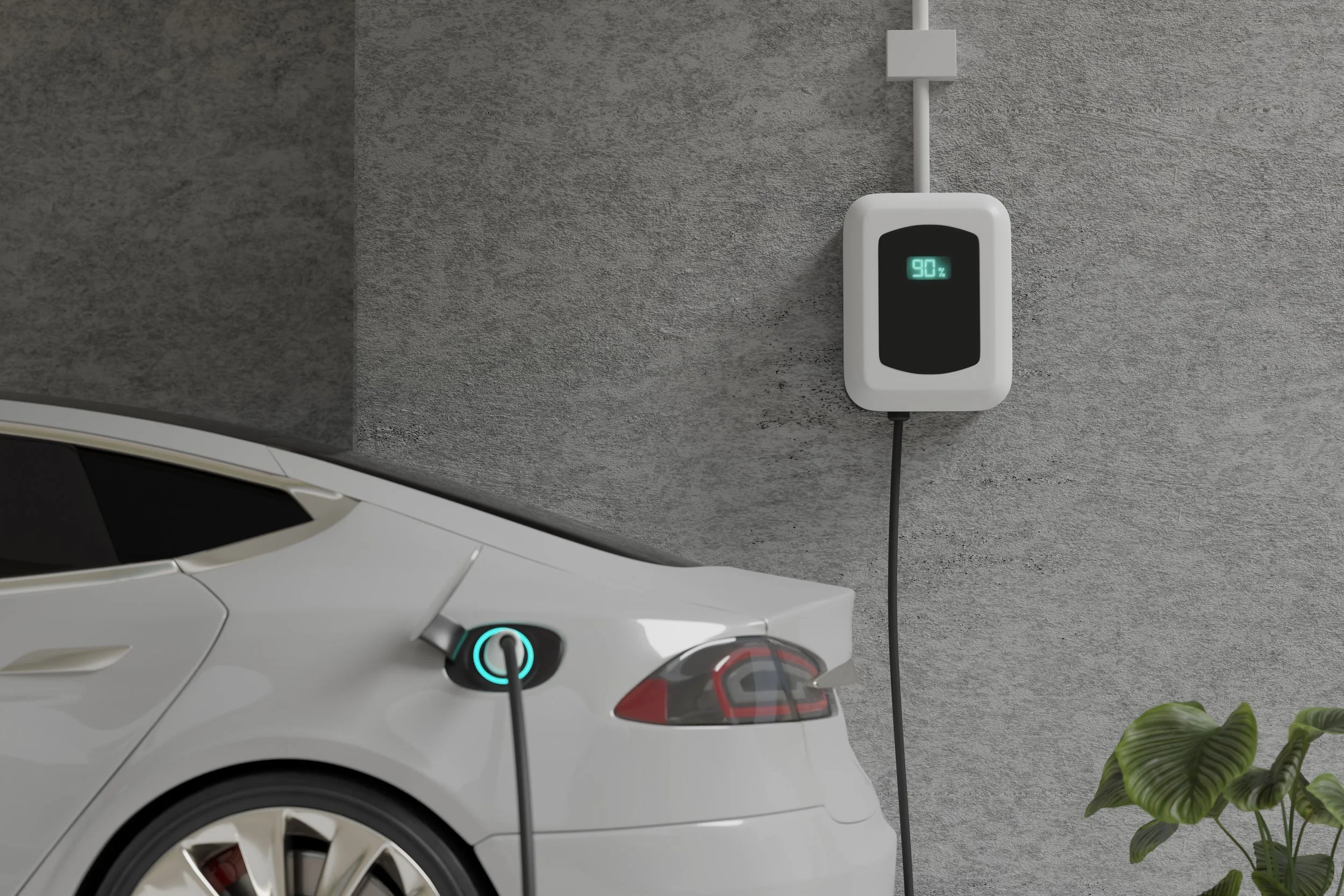
As electric vehicles (EVs) become increasingly popular, homeowners are facing an important decision: choosing the right electric car charger installation for their home. According to the U.S. Department of Energy, EV sales in the United States grew by nearly 60% between 2020 and 2023, and this trend shows no signs of slowing. Investing in a home charging station not only ensures convenience but also boosts the value of your property and contributes to sustainable living. Here’s a complete guide to help you make the best choice.
Understanding the Types of Electric Car Chargers
When considering electric car charger installation, it’s essential to understand the different types of chargers available:
Level 1 Chargers
Level 1 chargers are the simplest and most affordable option. They plug into a standard 120-volt household outlet. While convenient, they are the slowest type, adding approximately 3–5 miles of range per hour. Level 1 chargers are suitable for drivers with short daily commutes, but if you have a larger EV battery or need faster charging, this may not be the best option.
Level 2 Chargers
Level 2 chargers require a 240-volt outlet and can deliver 15–60 miles of range per hour. This type of charger is the most popular choice for home installations due to its faster charging time and compatibility with most EV models. A study by the Electric Power Research Institute in 2024 revealed that 75% of U.S. homeowners with EVs prefer Level 2 chargers for daily use.
DC Fast Chargers
DC Fast Chargers are usually reserved for commercial use, as they require specialized equipment and high-voltage connections. While they provide rapid charging, they are expensive and often overkill for home use. Homeowners typically benefit more from Level 2 charging stations for everyday convenience.
Factors to Consider Before Installation
Charging Speed
Different EVs have varying maximum charging capacities. Ensure your electric car charger installation matches or slightly exceeds your vehicle’s maximum input to maximize efficiency. For example, a Tesla Model 3 Long Range supports up to 48 amps on Level 2 chargers, so installing a charger with at least that rating is ideal.
Electrical Capacity
Before installing a home charger, assess your home’s electrical system. Older homes may require an upgrade to handle high-capacity chargers safely. According to the National Renewable Energy Laboratory, 40% of homes built before 1990 may need electrical panel upgrades to accommodate Level 2 chargers.
Smart Features
Modern chargers come with smart technology, including Wi-Fi connectivity, scheduling, and energy monitoring. These features allow you to charge during off-peak hours, potentially reducing your electricity costs by up to 30%. Smart chargers also enable remote monitoring and control through mobile apps, offering greater convenience for busy households.
Installation Location
The location of your charger is critical. Ideally, place it in a covered or garage area to protect it from harsh weather. Ensure there’s adequate space for your vehicle to park safely and connect to the charger without obstruction.
Cost Considerations
The cost of electric car charger installation varies depending on the type of charger, electrical upgrades, and labor. Level 1 chargers are usually included with the EV purchase, while Level 2 chargers can range from $400 to $1,200, with installation costs between $200 and $1,000 depending on complexity. Planning your budget helps avoid surprises during installation.
Choosing a Certified Installer
Selecting a certified electrician or installation company is crucial. Certified installers ensure that your charger is compliant with local electrical codes, safe, and efficient. Many EV manufacturers provide recommended installer lists, which can help simplify your search. Additionally, hiring a professional protects your warranty and reduces the risk of electrical hazards.
Maintenance Tips for Your Home Charger
Proper maintenance can extend the lifespan of your home charger. Regularly inspect cables for wear and tear, keep connectors clean, and ensure the charging unit is free from moisture and debris. Following these practices can prevent costly repairs and ensure your EV is always ready to go.
Incentives and Rebates
Many states and utility companies offer incentives for home EV charger installation. For example, in 2025, California residents could receive rebates of up to $500 for installing Level 2 chargers. Checking for local rebates and incentives can significantly offset installation costs.
Conclusion
Choosing the right charger for your home is an investment in convenience, safety, and sustainability. From understanding the types of chargers to evaluating electrical capacity, smart features, and cost, there are multiple factors to consider. A well-planned electric car charger installation not only enhances your EV experience but also supports a greener future.
By taking the time to research and select the right system, you can ensure efficient, reliable, and safe charging for years to come. Whether you opt for a simple Level 1 charger or a smart Level 2 system, the right choice will keep your EV powered and your life running smoothly.
