

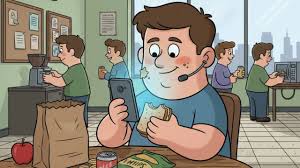
People don’t always listen to audio because they’re actively “consuming content.” Sometimes it’s just background structure for the day. A familiar interview during a late drive. Instrumentals while working through spreadsheets. A podcast replayed mostly because the voice became oddly familiar after hearing it for months.
Streaming apps tend to treat all listening like active entertainment. Real listening habits are usually stranger and more repetitive than that.
Constant streaming creates tiny interruptions
Not dramatic interruptions. Small ones.
A loading delay when switching networks. An app refreshing itself after staying idle too long. Playback suddenly pausing because another notification hijacked audio priority for a second.
Individually, these things barely matter. Repeated daily, they become irritating in ways people don’t notice immediately.
That’s partly why offline audio still feels useful despite streaming becoming dominant everywhere.
Replayed content behaves differently from new content
Fresh music discovery and repeated listening are completely different experiences.
When people already know the material well, they stop needing the platform around it. The recommendations, animated interfaces, suggested playlists, and endless browsing systems lose importance because the listener isn’t searching anymore.
They already know exactly which recording they want.
That’s where save from youtube mp3 usage starts making practical sense. The audio becomes immediately accessible without reopening platforms repeatedly for content that’s already familiar.
Offline libraries create less decision fatigue
Streaming services quietly encourage constant choice-making.
Pick another playlist.
Try a recommendation.
Open the remastered version.
Watch the live performance instead.
Offline collections behave differently because the library is smaller and more intentional. Listeners usually keep material they genuinely return to often instead of endlessly browsing things they may never replay again.
That smaller scale changes the listening experience psychologically. Less noise. Less scrolling. Less indecision.
Audio routines are often tied to environments
Some recordings become attached to very specific situations:
- gym sessions
- train commutes
- editing work
- studying late at night
- morning drives
- repetitive office tasks
People replay the same material partly because the familiarity helps structure those environments mentally. Streaming platforms tend to interrupt that rhythm more than independent playback does because the platform itself constantly wants interaction.
File access matters more on older devices
Not everybody upgrades devices constantly.
Older phones, car systems, lightweight MP3 players, offline speakers, and budget laptops often handle direct audio playback more smoothly than browser-heavy or app-heavy streaming platforms loaded with modern features.
Vidssave stays practical partly because stored audio files continue working across a wide range of systems without requiring much processing power or stable connectivity.
Streaming platforms prioritize engagement first
This is probably the biggest difference.
Most streaming services are optimized around keeping users active inside the platform for as long as possible. Offline playback doesn’t really demand anything after the file exists. No recommendations. No autoplay chains. No homepage distractions waiting in the background.
For listeners who prefer quieter digital habits, that simplicity becomes surprisingly appealing over time.
A reliable save from youtube mp3 workflow isn’t always about avoiding streaming entirely. Sometimes it’s simply about reducing how often people need to depend on active platforms for audio they already know they’ll keep returning to anyway.
