

Introduction
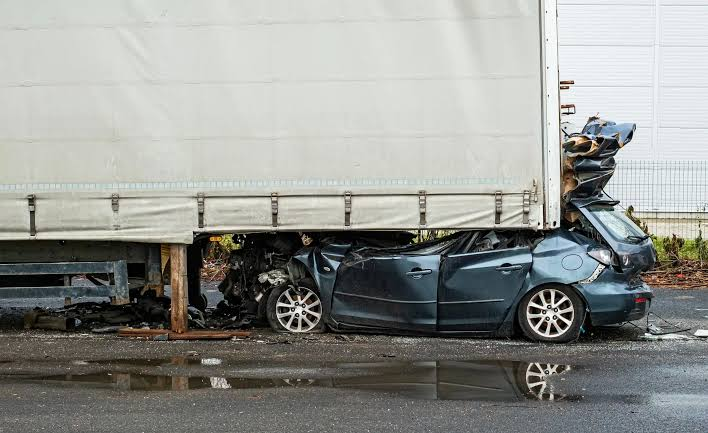
A truck accident can leave you dealing with much more than vehicle damage. Serious injuries, medical bills, missed work, property loss, and stress can quickly make everyday life difficult. When a commercial truck is involved, the insurance process may also be more complicated than a typical car accident claim. There may be several insurance policies, a trucking company, a driver, and other parties involved in determining who is responsible. Understanding how insurance companies handle truck accident claims can help you protect your rights and make informed decisions after a crash. If you are looking for truck accident help in Henrico County, knowing what to expect from the claims process is an important first step.
After a collision, insurance representatives may contact you to collect information about what happened. While it is important to report the accident and cooperate with your own insurer as required by your policy, you should also be careful about giving recorded statements, discussing fault, or accepting a settlement before you understand the full extent of your losses. A truck accident claim can involve medical expenses, lost income, vehicle repairs, pain and suffering, and other damages. Virginia law also has specific rules concerning motor vehicle liability insurance, including minimum liability coverage requirements for policies effective on or after January 1, 2025.
Why Truck Accident Insurance Claims Can Be Complicated
Truck accident claims often involve more evidence and more potential parties than ordinary passenger vehicle crashes. Depending on the circumstances, a claim may involve the truck driver, trucking company, vehicle owner, maintenance provider, cargo company, or one or more insurance carriers. The cause of the collision may also require a detailed review of driver conduct, vehicle maintenance, loading practices, road conditions, traffic records, and other evidence. Common causes can include driver fatigue, distracted driving, speeding, unsafe lane changes, poor vehicle maintenance, overloaded cargo, or failure to follow traffic rules. Determining responsibility requires looking at the specific facts instead of assuming that the largest vehicle is automatically at fault.
Insurance companies may assign an adjuster to investigate the accident and determine whether their policyholder has liability. The adjuster may review the police report, photographs, medical records, vehicle damage, witness statements, and other information. In Virginia, people involved in a crash may request a police crash report from the Department of Motor Vehicles, and DMV provides complete reports to qualifying involved parties or their authorized representatives. A careful claim investigation can be especially important in a commercial truck collision because evidence may exist in several places. Preserving photographs, medical documentation, repair estimates, employment records, and other relevant information can help create a clearer record of what happened and how the accident affected your life.
What to Do Before Dealing With an Insurance Adjuster
After a truck crash, your first priority should be safety and medical care. If you can do so safely, move away from traffic and contact emergency services. Seek medical attention even if your injuries initially seem minor because some accident-related conditions may become noticeable later. Keep records of medical appointments, treatment recommendations, prescriptions, and other accident-related expenses. You should also preserve photographs of the vehicles, roadway, visible injuries, traffic signs, and surrounding conditions when possible. If witnesses are available, their contact information may also be useful during an insurance investigation.
When an insurance adjuster contacts you, remember that the adjuster’s job is to investigate and evaluate the claim for the insurer. You should provide accurate information, but avoid guessing about details you do not know. Do not casually describe an injury as minor simply because you are unsure how serious it will become. Be careful with recorded statements and settlement offers, especially before your medical condition and financial losses are fully understood. Virginia law provides specific insurance protections and coverage rules, but the amount available in an individual truck accident claim depends on the policies, facts, damages, and parties involved.
Understanding Truck Accident Compensation
The value of a truck accident claim depends on the losses connected to the collision and the available insurance coverage. Economic damages may include emergency treatment, hospital expenses, follow-up care, rehabilitation, prescription costs, vehicle repairs, and lost wages. If an injury affects your ability to work in the future, future income losses may also become relevant. Non-economic damages can include pain, emotional distress, inconvenience, and reduced quality of life. The specific damages available depend on the facts of the case and applicable Virginia law, so there is no standard settlement amount that applies to every truck accident.
Insurance coverage is another important part of the process. Virginia requires motor vehicle liability policies to provide specified minimum amounts of bodily injury and property damage coverage, with different minimums applying based on the policy effective date. For policies effective on or after January 1, 2025, the statutory minimums listed in Virginia Code § 46.2-472 are $50,000 for bodily injury or death of one person, $100,000 for bodily injury or death of two or more people, and $25,000 for property damage. Commercial trucking claims can involve coverage beyond ordinary personal auto insurance, depending on the truck, carrier, business arrangement, and applicable policies. Reviewing all potentially available coverage can therefore be an important part of truck accident help in Henrico County.
Dealing With a Low Settlement Offer
One of the most important moments in an insurance claim may come when the insurer makes a settlement offer. An early offer can look attractive when medical bills are arriving and you are missing work, but accepting a settlement can affect your ability to seek additional compensation later. Before accepting an offer, consider whether your medical treatment is complete, whether future care may be needed, whether your lost income has been calculated correctly, and whether property damage and other losses have been properly included. A settlement should be evaluated based on the complete circumstances of the claim rather than simply the amount shown on the insurer’s first offer.
If you believe an insurance company has undervalued or improperly denied your claim, keep written records of communications and supporting documents. Ask the insurer to explain how it reached its valuation and review the policy language that applies to the claim. Virginia law includes a specific remedy for certain situations involving an insurer’s arbitrary refusal to pay a motor vehicle insurance claim when a court later determines that the refusal was not made in good faith. That statute has particular requirements and should not be treated as a guarantee that every disputed claim qualifies. For a serious truck accident, obtaining legal advice before signing a release or accepting a final settlement may help you understand the potential consequences of the agreement.
When Legal Help May Be Useful
Some truck accident claims are relatively straightforward, but others can become difficult when liability is disputed, injuries are serious, multiple vehicles are involved, or several insurance policies may apply. Legal assistance may be particularly useful when the trucking company or insurer argues that you caused the collision, when the available evidence is contested, or when the injuries have resulted in substantial medical expenses and lost income. A lawyer handling truck accident cases may investigate the crash, review available insurance coverage, communicate with insurers, gather evidence, and evaluate potential damages. The goal is to build a claim based on documented facts rather than assumptions.
Evidence can become important as time passes. Accident photographs, medical records, witness information, vehicle damage records, police reports, employment documentation, and other records can help establish what happened and how the collision affected you. Virginia DMV maintains official records of reportable crashes, and involved individuals or authorized representatives may request qualifying crash reports. In some cases, additional evidence related to a commercial vehicle may also matter, such as driver records, maintenance information, cargo documentation, or other business records. An attorney can explain what evidence may be relevant to your particular situation and how Virginia law applies to your claim.
Protecting Your Rights After a Henrico County Truck Crash
Protecting your interests after a truck accident starts with careful documentation and sensible communication. Report the collision as appropriate, obtain medical attention, follow medical instructions, and keep records related to your injuries and financial losses. Avoid posting detailed statements about the accident or your injuries on social media, since statements or photographs posted publicly may later become part of a dispute. You should also keep copies of emails, letters, claim numbers, repair estimates, bills, and other communications with insurers. Good records can make it easier to understand the progress of your claim and identify disagreements about responsibility or damages.
If the other driver does not have enough insurance to cover your losses, your own uninsured or underinsured motorist coverage may become important. Virginia law addresses uninsured and underinsured motorist coverage and establishes circumstances under which coverage may apply. The exact coverage available depends on the policy and facts of the accident. Because truck crashes can involve significant injuries and complicated insurance issues, professional truck accident help in Henrico County can be valuable when you need assistance understanding your options. A careful approach can help you avoid rushing into an agreement before you have a clearer picture of your medical condition, financial losses, insurance coverage, and legal rights.
Conclusion
Dealing with insurance companies after a truck accident can be stressful, especially when you are recovering from injuries and facing unexpected expenses. The process may involve multiple insurers, questions about liability, detailed evidence, medical documentation, and negotiations over compensation. Taking practical steps after the crash, keeping strong records, communicating carefully, and understanding the insurance coverage involved can put you in a better position to address the claim. Virginia’s insurance laws provide important rules concerning liability coverage and uninsured or underinsured motorist protection, but how those rules apply depends on the individual circumstances of each accident.
For people seeking truck accident help in Henrico County, the most important thing is not to treat an insurance claim as a simple paperwork exercise. A serious truck collision can involve long-term medical needs, lost income, property damage, and other consequences that may not be obvious immediately after the crash. If the insurer disputes fault, offers an amount that does not appear to reflect your losses, or asks you to make decisions before you understand the full claim, consider getting qualified legal guidance. With accurate documentation, informed communication, and a clear understanding of the insurance process, you can make decisions based on the facts of your individual situation.
