

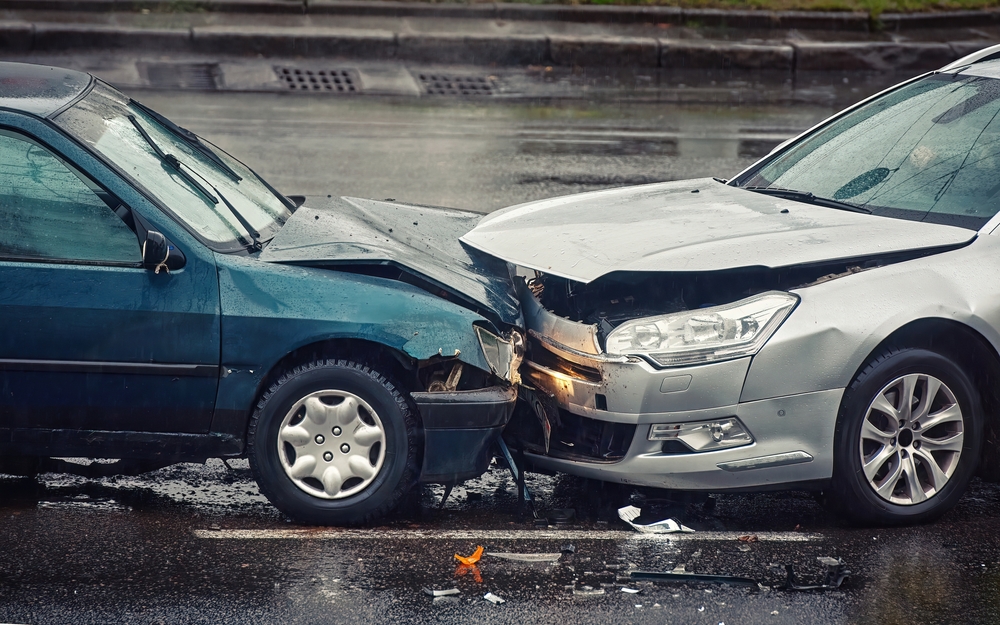
Speeding is one of the leading causes of car accidents across the United States, and Nevada is no exception. From busy Las Vegas streets to high-speed highways, drivers who exceed speed limits increase the risk of collisions, injuries, and fatalities. If you’re involved in a speeding-related accident, understanding how fault is determined is critical for protecting your rights and securing compensation.
Proving fault in a speeding accident can be complicated, especially when multiple drivers are involved or when injuries and damages are significant. The process involves gathering evidence, understanding Nevada’s traffic laws, and sometimes consulting legal expertise to navigate the claims process effectively.
How Speed Contributes to Car Accidents
Speed plays a direct role in the likelihood and severity of accidents. When a driver exceeds the speed limit:
- Reaction time decreases: High speeds reduce the time available to react to sudden obstacles, pedestrians, or other vehicles.
- Stopping distance increases: The faster a vehicle travels, the longer it takes to stop safely, making collisions more likely.
- Injury severity escalates: High-speed collisions exert greater force on occupants, leading to more serious injuries or fatalities.
Common scenarios for speeding-related accidents in Nevada include highways, busy intersections, residential areas, and tourist-heavy zones like the Las Vegas Strip. Even experienced drivers can misjudge stopping distances or fail to anticipate sudden stops when traveling at high speeds.
Nevada’s Traffic Laws on Speeding
Nevada has specific laws regarding speeding, and violating them can directly impact liability in a car accident:
- Speed limits: Residential areas, school zones, highways, and construction zones each have established speed limits that drivers must adhere to.
- Legal implications: Exceeding the speed limit can result in citations, fines, and points on your license. In accident cases, evidence of speeding can establish negligence and liability.
- Impact on personal injury claims: Courts and insurance companies often consider whether speed was a contributing factor when determining fault and compensation.
Even if the accident appears minor, proof that a driver was speeding can have significant legal and financial consequences.
Determining Fault in a Speeding-Related Accident
Nevada uses a modified comparative negligence system, meaning that fault can be shared between parties. This system considers:
- Primary liability: The driver whose actions directly caused the accident is generally responsible for damages.
- Shared fault: If multiple parties contributed to the collision, compensation may be reduced proportionally based on each driver’s level of responsibility.
Determining fault in speeding-related cases often involves evaluating multiple pieces of evidence. Insurance companies and courts look at police reports, citations, vehicle damage, and witness statements to establish who was speeding and whether that behavior caused or contributed to the accident.
Consulting a Las Vegas Car Accident Lawyer early in the process can help ensure that fault is assessed accurately and that your rights are protected, particularly in cases involving disputed speed or multiple parties.
Types of Evidence That Help Prove Fault
Proving fault in a speeding accident relies on gathering solid evidence. Key sources include:
- Police citations and accident reports: If a driver is cited for speeding, this serves as official documentation of their negligence. Police reports also provide a factual account of the collision and parties involved.
- Dashcam or surveillance footage: Video evidence can clearly show a vehicle’s speed and the sequence of events leading up to the accident.
- Accident reconstruction specialists: In serious collisions, experts can analyze vehicle damage, skid marks, and other physical evidence to estimate speed and impact.
- Eyewitness testimony: Statements from bystanders, passengers, or other drivers can corroborate claims that a vehicle was traveling above the speed limit.
Collecting and preserving this evidence promptly is critical, as delay or loss of information can weaken a claim.
Insurance Companies and Fault Assessment
Insurance adjusters play a central role in evaluating speeding-related accident claims. Their analysis often includes:
- Reviewing police reports and citations
- Inspecting vehicle damage and repair estimates
- Considering medical records and injury severity
- Interviewing witnesses and assessing the credibility of statements
Adjusters aim to determine liability and estimate damages while minimizing the insurance company’s payout. Disputes can arise, especially if fault is shared or if one party’s speed is not clearly documented. Accurate evidence and thorough documentation are essential for ensuring a fair settlement.
Common Challenges in Proving Fault
Even with evidence, proving fault in speeding accidents can be challenging:
- Conflicting witness statements: People often perceive speed differently, leading to disputes about how fast a vehicle was traveling.
- Absence of citations: If no driver received a speeding ticket, establishing fault may rely on other evidence, such as reconstruction or eyewitness testimony.
- Multiple-party accidents: When several vehicles are involved, determining each driver’s contribution to the collision can be complex.
- Disputed injuries or vehicle damage: Insurance companies may downplay the severity of injuries or argue that damages were pre-existing.
Navigating these challenges often requires legal guidance and professional expertise.
Practical Tips for Drivers Involved in Speeding Accidents
If you’re involved in a speeding-related accident, taking the right steps can protect your interests:
- Document the scene immediately: Take photos of vehicles, skid marks, traffic signs, and surrounding areas.
- Seek medical attention promptly: Even minor injuries should be evaluated to establish a clear connection to the accident.
- Collect witness information: Names, contact details, and statements help corroborate your version of events.
- Avoid admitting fault: Statements at the scene can be used against you later. Stick to factual accounts.
- Keep detailed records: Maintain all correspondence with insurance companies, repair estimates, medical bills, and police reports.
Taking these steps improves the accuracy of your claim and helps ensure that fault is properly assessed.
The Role of Legal Assistance
Engaging a Las Vegas Car Accident Lawyer can be especially valuable in speeding-related accident claims. A lawyer can:
- Preserve and organize evidence to prove fault
- Work with accident reconstruction specialists if needed
- Negotiate with insurance companies to secure fair compensation
- Clarify Nevada’s comparative negligence rules and how they apply to your case
Legal representation is particularly important in complex scenarios, such as multi-vehicle accidents, disputed liability, or cases involving serious injuries.
Conclusion
Speeding-related car accidents in Nevada present unique challenges for proving fault. Determining liability requires understanding the role of speed, gathering strong evidence, and navigating insurance company assessments. Nevada’s modified comparative negligence system further complicates matters, making accurate documentation and professional guidance essential.
From police reports and eyewitness statements to dashcam footage and expert analysis, the right evidence can make all the difference in establishing fault and securing proper compensation.